
Care Options

Not sure what kind of care your parent needs?

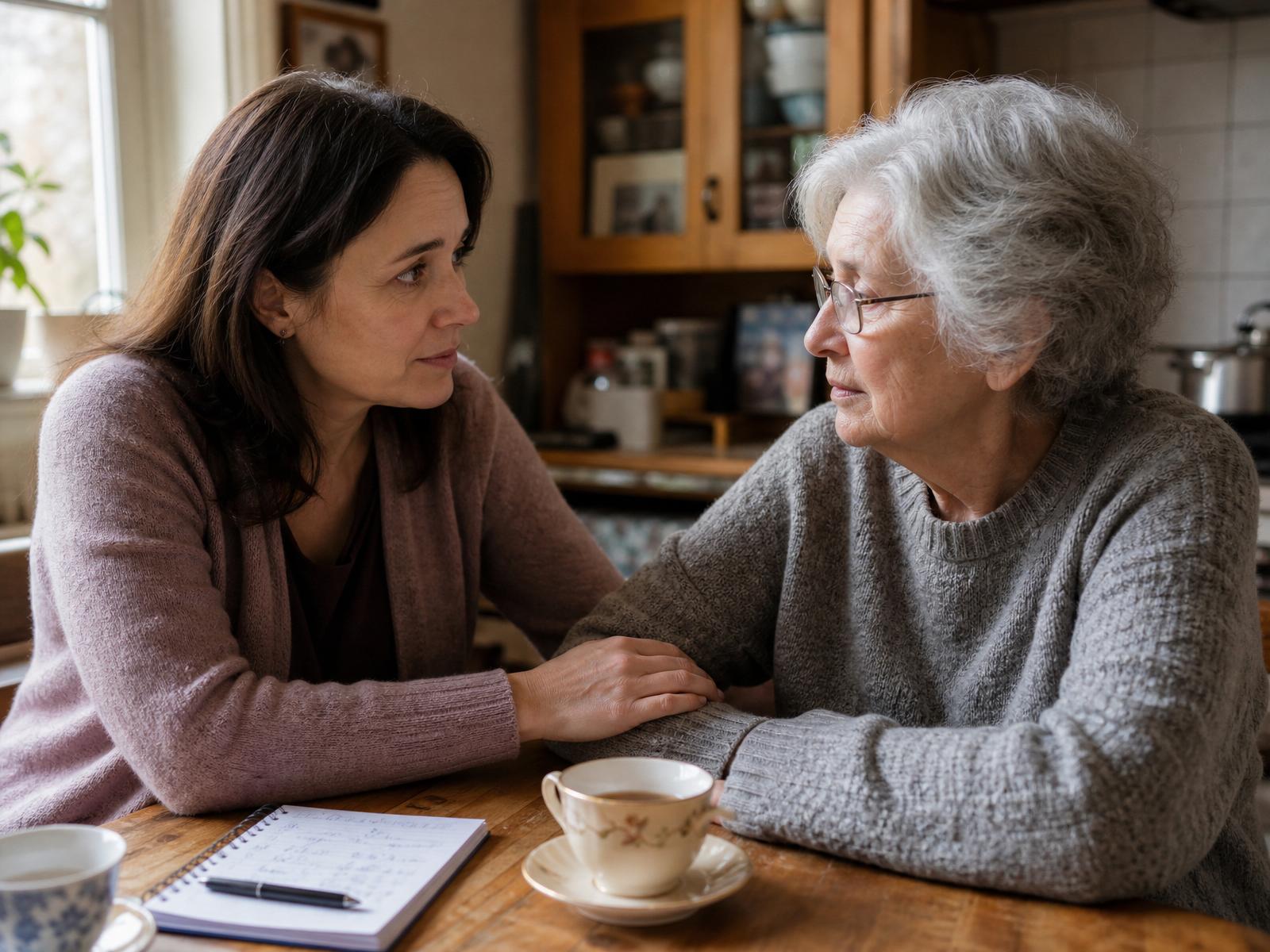
An adult daughter and her elderly mother talk gently at a kitchen table

Most families don't — the terms blur together and the stakes feel high. Here's a clear guide to each type of senior living, and we'll help you pinpoint the right fit.

Start here

"I don't even know what to look for."

That's the most common thing we hear — and it's completely normal. You don't need to arrive with answers. Our free assessment sorts out what level of care your parent actually needs, then narrows the options to the few that genuinely fit.

Type 01

Assisted Living
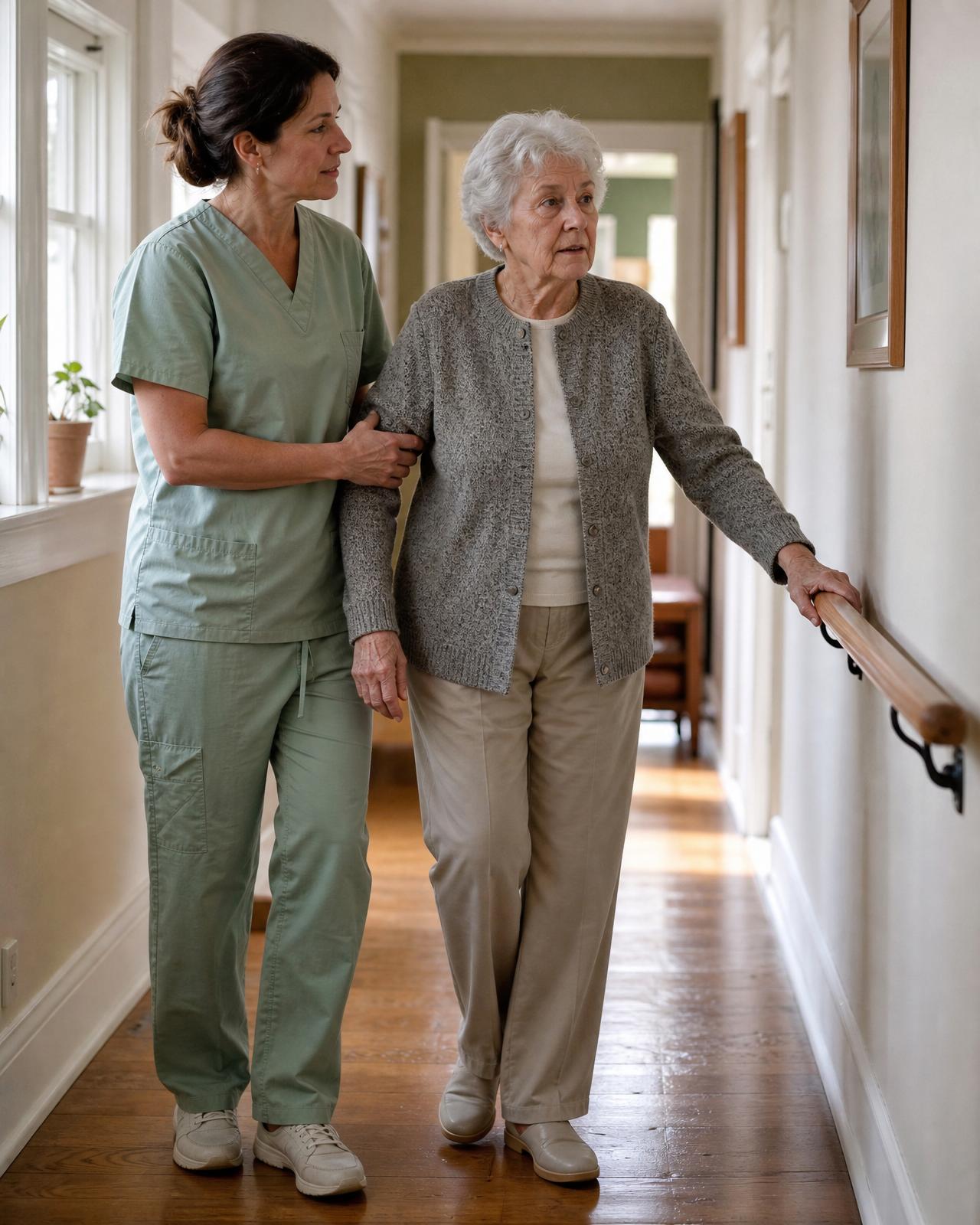
A caregiver in soft sage scrubs steadies the elbow of an elderly woman walking down a sunlit residential hallway

What it is

Help with daily activities — bathing, dressing, medication management, meals — while preserving as much independence as possible. Residents have their own apartment and care comes to them.

Who it's right for

Seniors who are mostly independent but need a hand with a few things every day, plus the reassurance of supervision and help nearby.

Good to know

In California, these are licensed RCFEs regulated by Community Care Licensing (CCLD). We only recommend communities with an active license in good standing.
Type 02

Memory Care

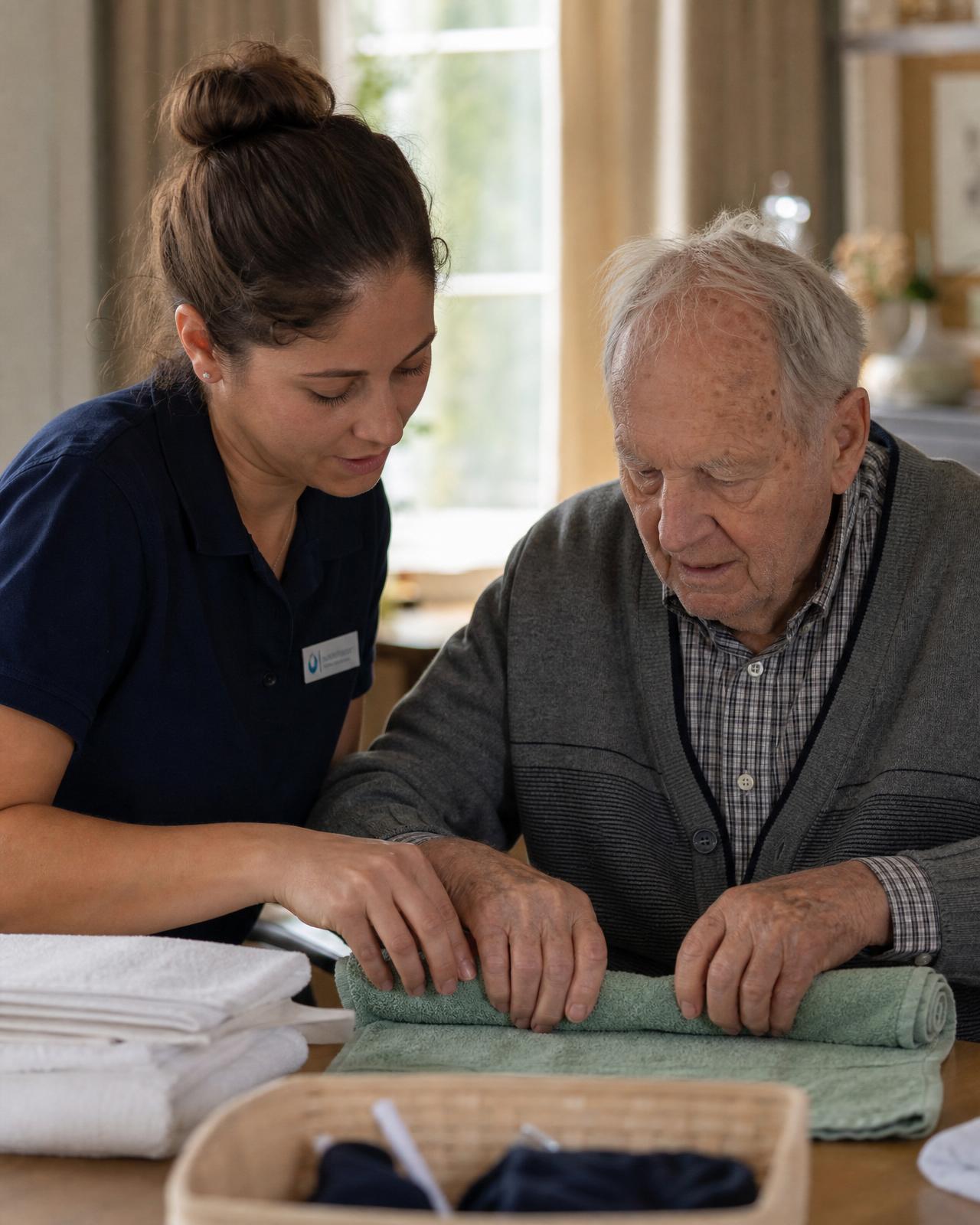
A trained memory-care staff member sits beside an elderly man, gently guiding his hands as they fold a towel together

What it is

Secured communities with specially trained staff who care for people with Alzheimer's and other forms of dementia. Routines, environment, and engagement are designed around memory loss.

Who it's right for

Seniors with memory loss who may wander, become disoriented, or need structured, supervised support that a standard assisted-living setting can't safely provide.

Good to know

Look past the brochure at staff training and how secured areas are actually designed — small details that change everything. We verify both for you before you tour.

Type 03

Board & Care (Residential Care Home)

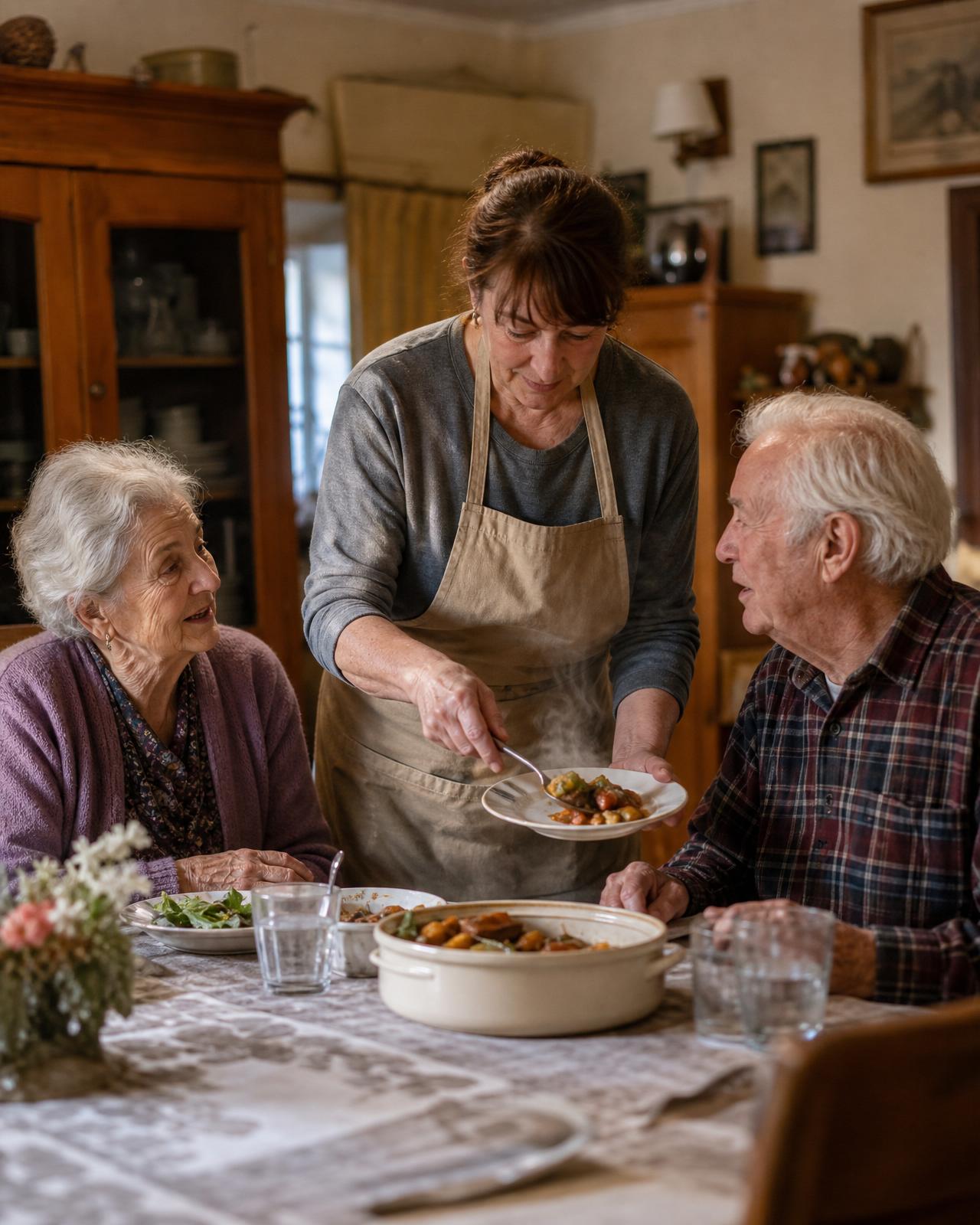
Inside a small board and care home, a cook in an apron serves a home-cooked meal to two elderly residents at a warm wood dining table

What it is

Small homes — typically up to 6 residents — with high staff-to-resident ratios, home-cooked meals, and a quiet, family feel. Care happens inside what looks like a regular house in a regular neighborhood.

Who it's right for

Seniors who do better in an intimate setting than a large building, and families who want close attention without paying for amenities they won't use. Often a smart value.

Good to know

These are 6-bed RCFEs — more personal and frequently more affordable than larger communities. National referral sites barely surface them; we know them by name.

Type 04

Independent Living

Two active senior friends walk through a manicured community courtyard, mid-conversation in warm afternoon light

What it is

Maintenance-free communities with social life, dining, activities, and amenities — built for active seniors who don't need daily hands-on care.

Who it's right for

Seniors who want connection, ease, and less to manage at home — without giving up their independence or having care they don't need.

Good to know

A great fit for a couple where one spouse needs more help than the other. We can plan for a community that supports both today and a higher level of care later.

How we match you

We don't just hand you a list.

We start by assessing your parent's real needs — not a checkbox, a conversation. Then we present a short list of license-verified options that actually fit, with current capacity and CCLD probation status shown up front. One advisor owns it from the first call through move-in.

Assess first

Real needs — care level, mobility, memory, behavior.

Short list, not a directory

Only options we'd recommend to our own family.

Transparent up front

License number, capacity, probation status visible.

When a higher level of care is needed

Sometimes the honest answer is a skilled nursing facility.

Assisted living and board & care homes can handle a lot — but not everything. If your parent needs around-the-clock licensed nursing, complex wound care, or acute medical monitoring, the right setting is a SNF or a higher-acuity environment, not a placement that won't safely hold.

We'll tell you plainly when that's the case — and help you understand what to look for next. We treat candor as a feature, not a risk.

Still not sure which is right? Let's figure it out together.

One free call with an advisor who has helped hundreds of families through exactly this decision.

FAQ

The questions families ask first.

Find the right fit

Let's find the right fit.

One conversation is all it takes to start sorting it out. No pressure, no obligation, and no list of facilities blowing up your phone afterward.

advisors@keystoneplacement.com · keystoneplacement.com

Help me find the right care

Free to families. We never sell your information.

Call